
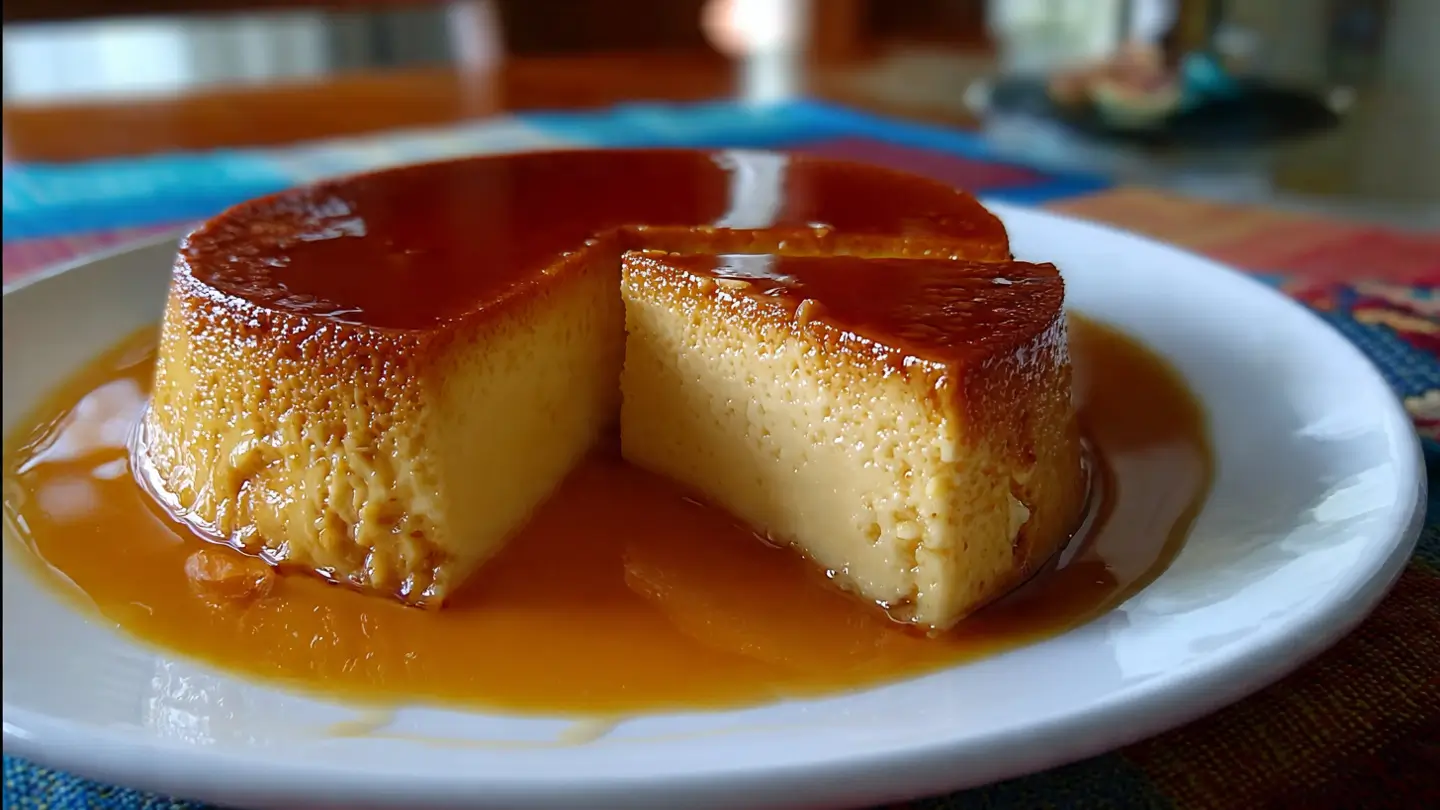
Spanish flan has been my white whale for years. Like, I’ve attempted this dessert at least eight times, and the first seven were somewhere between “okay I guess” and “rubbery disaster that made my husband laugh.”
But then I finally cracked the code last month (thanks to a random tip from my Puerto Rican coworker Maria), and now I can’t stop making it. My kids request it for every single birthday instead of cake. Every. Single. One.
This spanish flan recipe is the real deal—silky smooth, perfectly sweet, with that gorgeous amber caramel that doesn’t crystallize or burn. And before you ask, yes, I’ve tried the spanish flan recipe puerto rico version and the spanish flan recipe spain version, and honestly this is a hybrid of both that just WORKS.
Table of Contents :
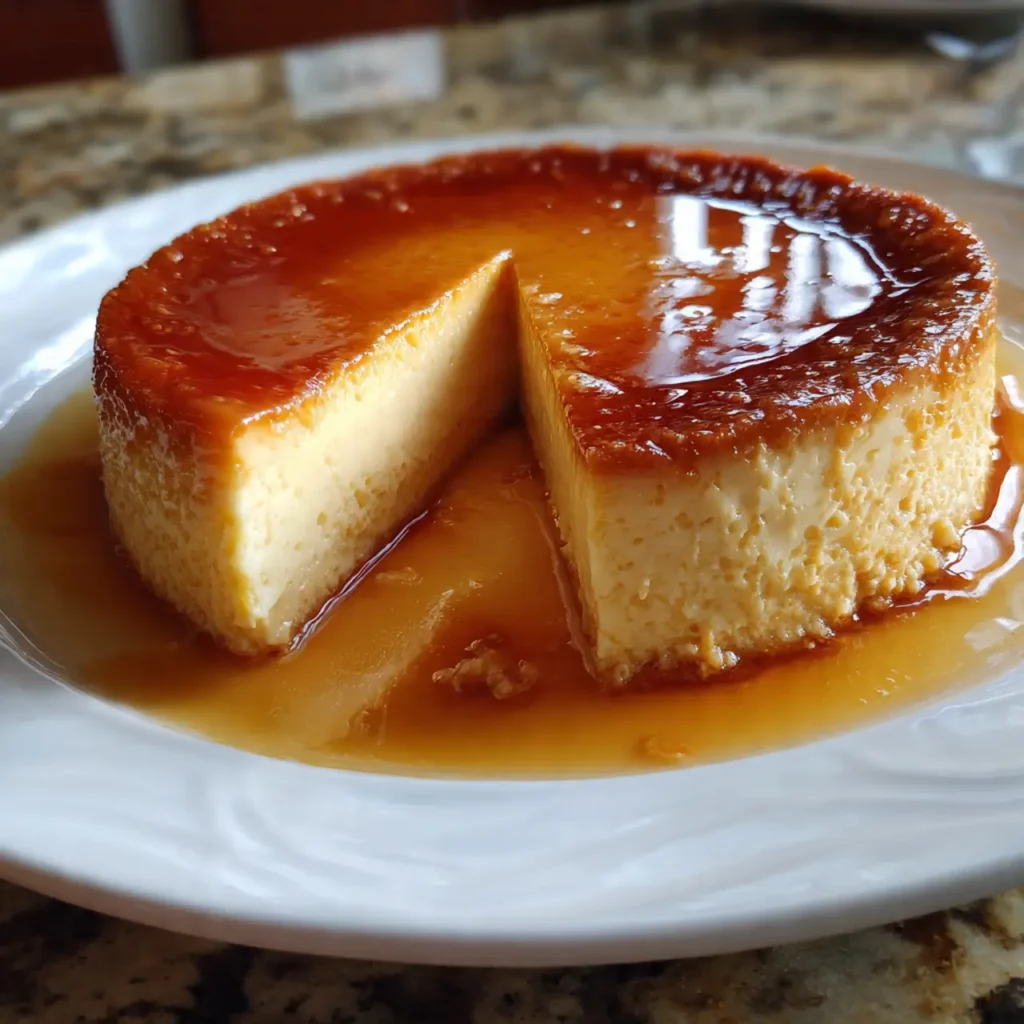
Why This Spanish Flan Recipe Is Different :
Okay, so here’s the thing about most flan recipes online—they either use too many eggs (resulting in scrambled egg texture, gross) or not enough sugar in the caramel (which makes it bitter and weird).
I think I got the base of this recipe from my aunt… or maybe it was that spanish flan all recipes website? Honestly can’t remember anymore because I’ve tweaked it so much it’s basically mine now.
The secret? You need patience with the caramel. Like, actual patience. I burned three batches in 2023 alone because I got impatient and cranked up the heat. Don’t be like past me.
And the water bath is NON-NEGOTIABLE. I tried skipping it once thinking I was clever, and the flan cracked so badly it looked like the surface of Mars. My neighbor Sarah still brings it up at parties. “Remember that time you made earthquake flan?” Yes, Sarah. I remember.
What You Need for Spanish Flan :
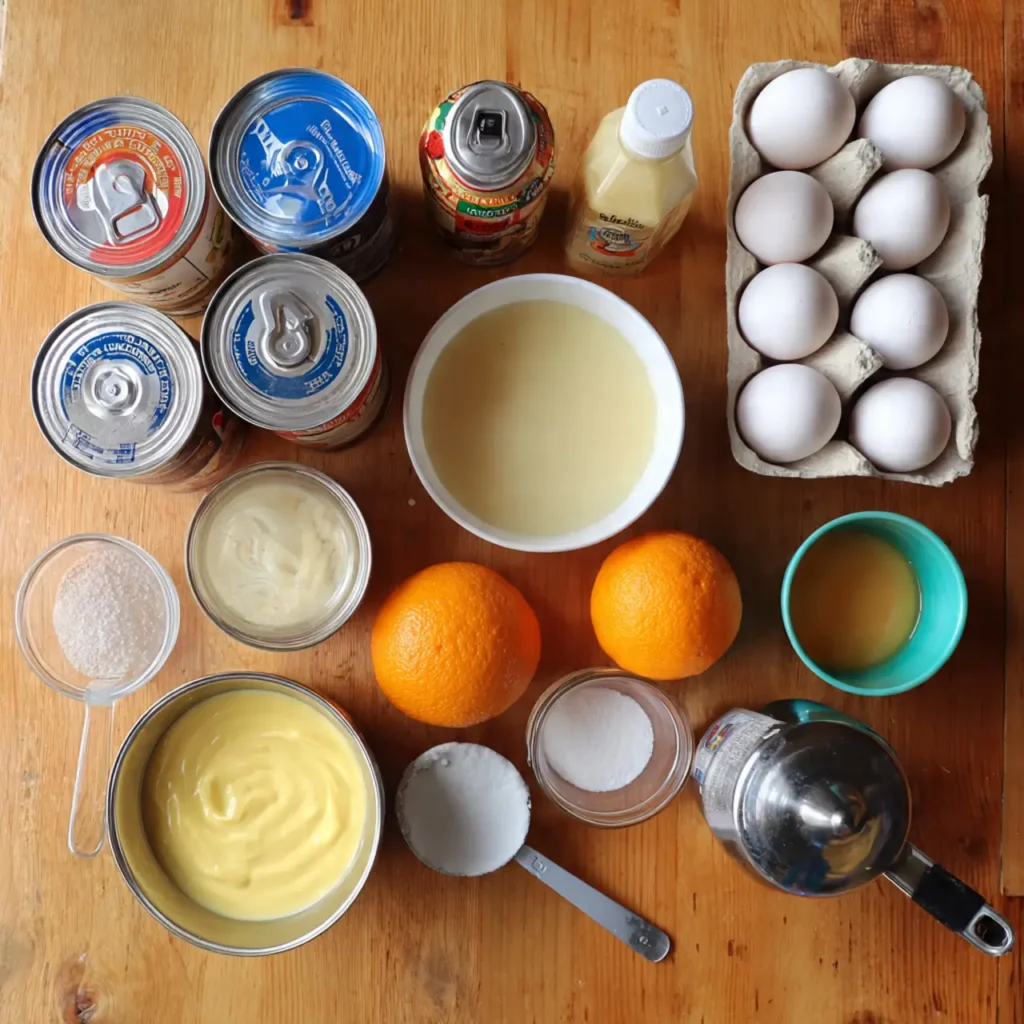
For the Caramel:
- 1 cup granulated sugar (don’t use brown sugar, I tried, it’s wrong)
- 1/4 cup water
For the Flan:
- 1 can (14 oz) sweetened condensed milk (I use Eagle Brand)
- 1 can (12 oz) evaporated milk (same brand, keep it consistent)
- 5 large eggs (room temperature matters more than you think)
- 3 egg yolks (save those whites for… I don’t know, an omelet?)
- 1 tablespoon vanilla extract (the real stuff, not imitation)
- Pinch of salt
- Zest of 1 orange (for spanish orange flan variation, optional but SO GOOD)
Quick story: Last Tuesday I grabbed evaporated milk thinking it was condensed milk and didn’t realize until I’d already mixed everything. Had to run to the store at 9 PM in my pajamas. Check your cans, people.
How to Make Flan Spanish Puerto Rico Style :
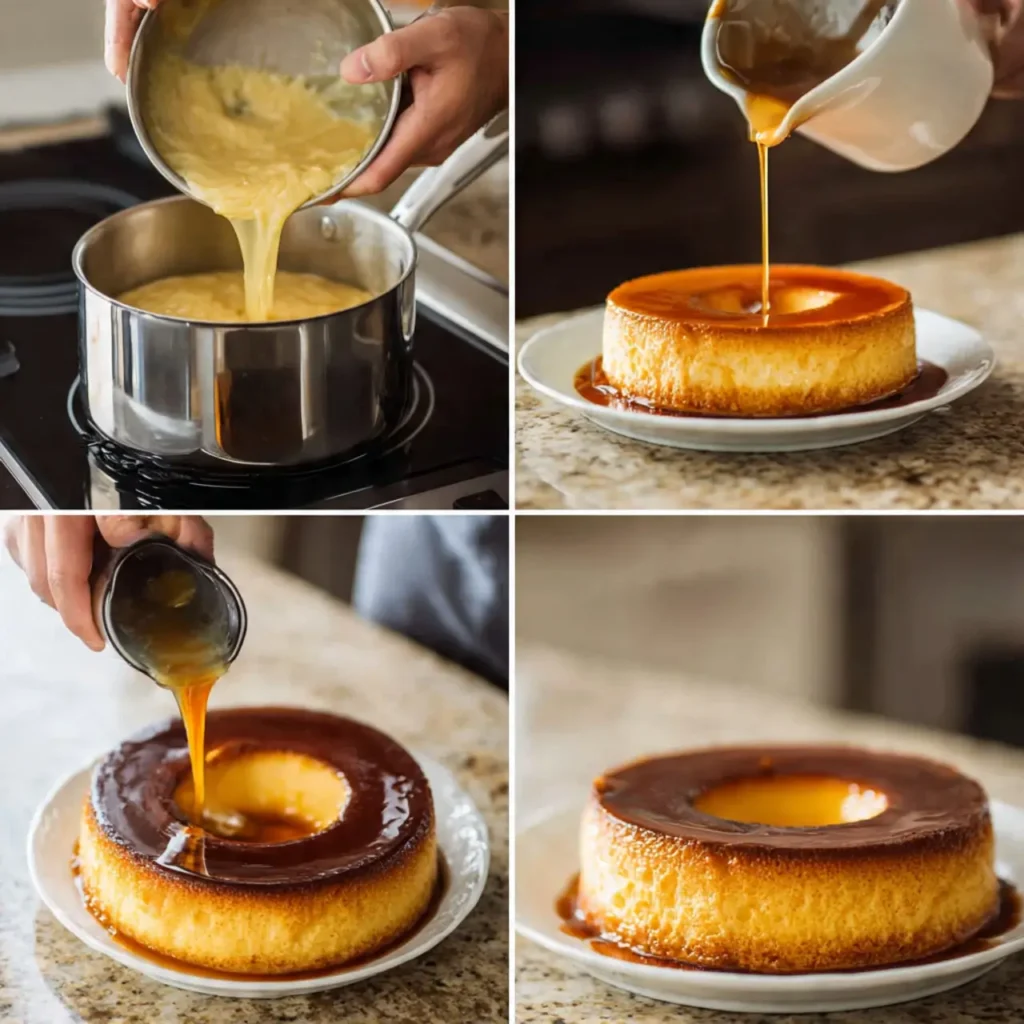
Making the Caramel :
Step 1: Put the sugar and water in a medium saucepan. Medium heat. I REPEAT: MEDIUM HEAT. Not high, not medium-high, just medium.
Step 2: Stir until the sugar dissolves, then STOP STIRRING. This drove me crazy until I figured it out—stirring causes crystallization, and you’ll end up with grainy caramel that looks like sand. Just… let it be. Swirl the pan occasionally if you must, but hands off the spoon.
Step 3: Watch it like a hawk. It’ll stay clear for what feels like forever (maybe 8-10 minutes), then suddenly start turning amber. When it’s the color of a penny—that beautiful golden brown—take it off the heat immediately.
The key is—oh wait, I forgot to mention—have your flan mold ready. I use an 8 or 9-inch round cake pan, but those fancy flan molds work too if you’re feeling bougie.
Step 4: Pour the hot caramel into your pan and swirl it around to coat the bottom evenly. It’ll harden fast, like within 30 seconds, so work quickly. And for the love of everything holy, don’t touch it with your fingers. Molten sugar burns are NO JOKE. (Learned that the hard way in 2021, still have a tiny scar.)
Making the Custard Part :
Step 5: Preheat your oven to 350°F. Also, boil some water for the water bath. I usually put a kettle on around this point.
Step 6: In a blender (yes, a blender, trust me on this), combine the condensed milk, evaporated milk, eggs, egg yolks, vanilla, and salt. If you’re doing the spanish orange flan version, add that orange zest now.
Blend on medium speed for about 30-45 seconds until everything’s smooth and frothy. Don’t over-blend or you’ll get weird bubbles in your flan.
Step 7: Pour the custard mixture over the hardened caramel. The caramel will crack a little when the liquid hits it—that’s totally normal and actually kinda satisfying to hear.
The Water Bath Situation :
Step 8: Place your flan pan inside a larger roasting pan. This is your water bath setup, also called a bain-marie if you want to sound fancy at dinner parties.
Step 9: Put the whole thing in the oven, then CAREFULLY pour the hot water into the outer pan until it comes about halfway up the sides of the flan pan. This is awkward and I always spill a little, but whatever, it works.
Why the water bath? It ensures even, gentle heat. Without it, the edges overcook while the center stays jiggly. Physics or something. I don’t know, but it matters.
Step 10: Bake for 50-60 minutes. You’ll know it’s done when the center jiggles just slightly when you shake the pan, but the edges are set. Think: jello that’s starting to firm up but not quite there yet.
If you overbake it (which I did my first three attempts), it’ll have that gross eggy texture and weird holes. Set a timer for 50 minutes and check it then.
Step 11: Remove from the oven and let it cool in the water bath for 30 minutes. Then take it out of the water bath and refrigerate for at least 4 hours. Preferably overnight.
I know, I KNOW, the wait is torture. But warm flan doesn’t unmold properly and tastes weird. You need patience here.
Unmolding Your Spanish Flan :
This is where everyone panics. Including me, every single time, even though I’ve done it successfully like twenty times now.
Step 1: Run a thin knife around the edges of the flan to loosen it from the pan. Be gentle but thorough.
Step 2: Place your serving plate upside down on top of the flan pan. Now comes the fun part—hold both the pan and plate together firmly and FLIP IT OVER in one smooth motion.
Step 3: Give it a little shake. You might need to let it sit for a minute for gravity to do its thing. Eventually you’ll hear a little slurp sound and feel the flan release. That sound never gets old.
Step 4: Carefully lift the pan off. All that gorgeous caramel sauce will come pouring out over the flan. It’s honestly the most satisfying moment in all of cooking.
If some caramel sticks to the pan (happens sometimes), just scrape it out and drizzle it over the top. Nobody will know it wasn’t supposed to be there.
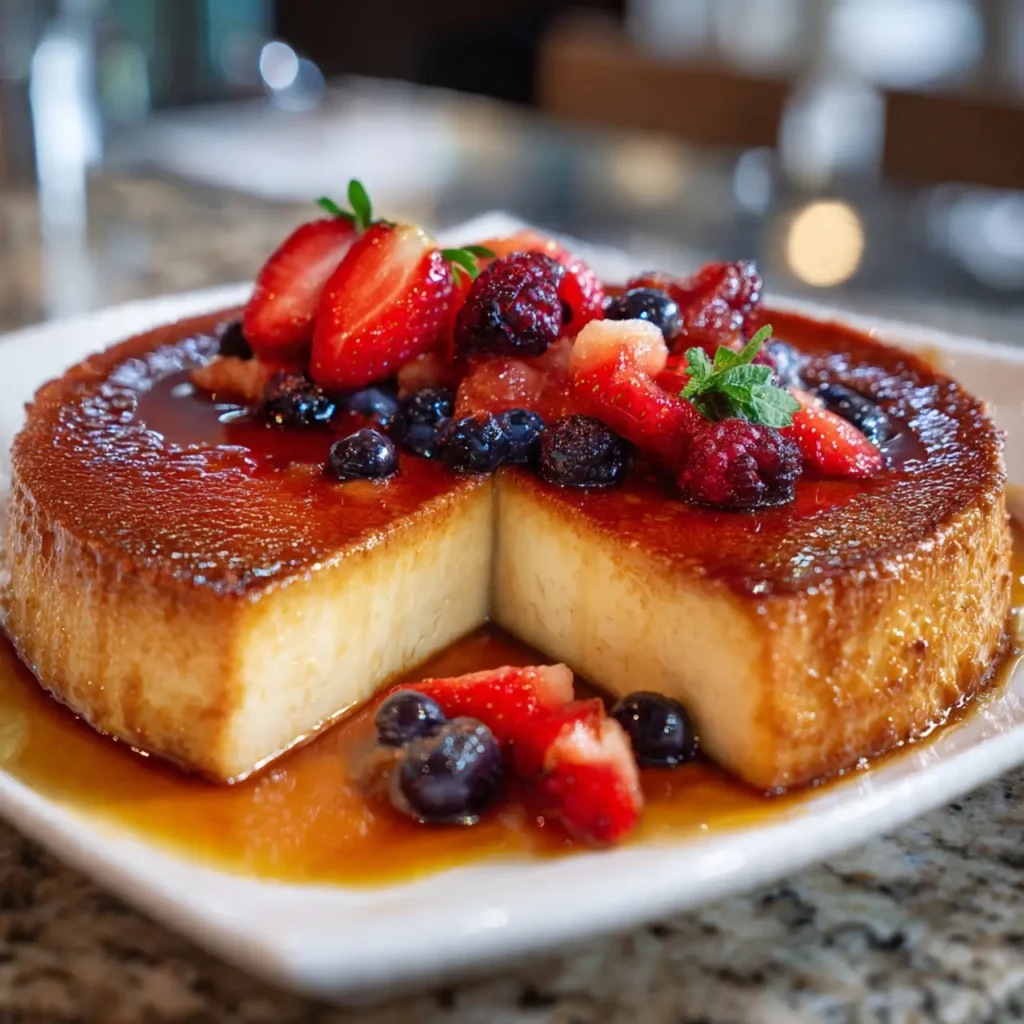
Spanish Flan Plating Ideas :
For spanish flan aesthetic purposes (because yes, I post these on Instagram), here’s what works:
- Serve slices with extra caramel sauce drizzled in a little pool on the plate
- Add fresh berries (strawberries look amazing with the golden caramel)
- Whipped cream on the side (not on top, ruins the aesthetic)
- Mint leaves for that pop of green
- Dust with cinnamon if you’re feeling creative
My spanish flan plating game has evolved over the years. I used to just plop a slice on a plate and call it done. Now I’m all fancy with my berry arrangements and sauce drizzles. Growth.
Spanish Orange Flan Variation :
Okay, so the spanish orange flan version is INCREDIBLE. Just add the zest of one orange to the custard mixture before blending. The subtle citrus flavor cuts through the sweetness perfectly.
My mother-in-law is obsessed with this version. She specifically requests it for every family dinner. No pressure or anything.
You could also add a tablespoon of orange liqueur (like Grand Marnier) if you’re making this for adults only. Adds a nice depth of flavor. But skip it if kids are eating—the alcohol doesn’t fully cook out.
Common Spanish Flan Disasters :
Cracked top: Usually from baking too hot or no water bath. Can’t really fix it once it happens, but honestly? It still tastes amazing. Just flip it over and nobody sees the crack.
Grainy caramel: You stirred too much while making it. Next time, hands off after the sugar dissolves.
Eggy texture: Overbaked. Check it at 50 minutes next time and remember—slight jiggle in the center is GOOD.
Won’t unmold: You probably didn’t run a knife around the edges thoroughly enough, or didn’t wait long enough for it to chill. Try running the bottom of the pan under warm water for 10 seconds to help loosen it.
Caramel too hard: You cooked it too long. It should be amber, not dark brown. There’s like a 30-second window between perfect and burnt, which is why I said watch it like a hawk.
Wait, I almost forgot—some people try to make this in the microwave. I’ve seen spanish flan recipe microwave searches, and while I’m sure it’s possible, I haven’t tried it and honestly I’m scared to. The oven method works perfectly, why mess with it?
Why This Beats Any Restaurant Spanish Flan :
I don’t care what anyone says—homemade spanish flan is better than restaurant flan. Restaurants usually make huge batches and let them sit too long, so the texture gets weird and the caramel gets absorbed into the custard.
This version is silky, smooth, perfectly sweet but not cloying, with that gorgeous amber caramel that pools around each slice. My husband claims it’s better than the flan at his favorite Cuban restaurant, and that man doesn’t give compliments lightly.
Plus, making it yourself means you can control the sweetness, add orange if you want, make it the day before, and not pay twelve dollars for a tiny slice.
My Honest Take :
Is this spanish flan recipe easy? Eh, not really. It requires attention and patience and a willingness to possibly mess up the first time. The caramel part still makes me nervous every single time.
But is it WORTH it? Absolutely. When you nail it (and you will), it’s the most impressive dessert you can make. People think you’re some kind of culinary genius when you bring this to a party.
I made this for Thanksgiving last year and three different people asked for the recipe. One person (looking at you, Karen) tried to convince me I should open a bakery. I’m not opening a bakery, Karen, but I appreciate the enthusiasm.
Try this soon. Let it chill overnight. Unmold it carefully. Take a photo before anyone digs in because it won’t last long. And seriously, let me know how yours turns out—did the caramel cooperate? Did it unmold cleanly? I want to hear all about it.
Happy flan-making! (and may your caramel be golden, not burnt) 🍮
The Best Spanish Flan
Authentic Spanish flan with silky smooth custard and perfect amber caramel. This Puerto Rican style flan recipe creates a restaurant-quality dessert with easy step-by-step instructions.
Ingredients
- 1 cup granulated sugar (for caramel)
- 1/4 cup water (for caramel)
- 1 can (14 oz) sweetened condensed milk
- 1 can (12 oz) evaporated milk
- 5 large eggs, room temperature
- 3 egg yolks
- 1 tablespoon vanilla extract
- Pinch of salt
- Zest of 1 orange (optional, for Spanish orange flan)
Instructions
- Step 1In a medium saucepan over medium heat, combine 1 cup sugar and 1/4 cup water. Stir until sugar dissolves, then stop stirring. Let cook undisturbed, swirling pan occasionally, until mixture turns golden amber color (about 8-10 minutes). Remove from heat immediately when it reaches penny color.
- Step 2Quickly pour hot caramel into an 8 or 9-inch round cake pan or flan mold. Swirl to coat bottom evenly. Caramel will harden within 30 seconds. Set aside to cool.
- Step 3Preheat oven to 350°F. Boil water in a kettle for the water bath.
- Step 4In a blender, combine condensed milk, evaporated milk, eggs, egg yolks, vanilla extract, and salt. Add orange zest if making Spanish orange flan variation. Blend on medium speed for 30-45 seconds until smooth and slightly frothy. Do not over-blend.
- Step 5Pour custard mixture over hardened caramel in prepared pan. The caramel will crack slightly—this is normal.
- Step 6Place flan pan inside a larger roasting pan. Put both pans in preheated oven. Carefully pour hot boiled water into outer roasting pan until water reaches halfway up the sides of the flan pan.
- Step 7Bake for 50-60 minutes. Flan is done when center jiggles slightly when pan is shaken but edges are set. Do not overbake or texture will be eggy. Check at 50 minutes.
- Step 8Remove from oven and let flan cool in water bath for 30 minutes. Then remove flan pan from water bath.
- Step 9Cover flan with plastic wrap and refrigerate for at least 4 hours, preferably overnight, until completely chilled and set.
- Step 10Run a thin knife around edges of flan to loosen. Place serving plate upside down on top of pan. Holding both pan and plate firmly, flip over in one smooth motion. Let sit for a minute, then lift pan off. Caramel sauce will flow over flan. Slice and serve cold.